Source adjustable traditional bar chair for Bars, Hotels, and Cafes
Explore 30 listings for the adjustable traditional bar chair to compare features like material, dimensions, and customization options. Buyers can evaluate modern designs with metal or wood construction for various commercial settings.
Key considerations
Products List


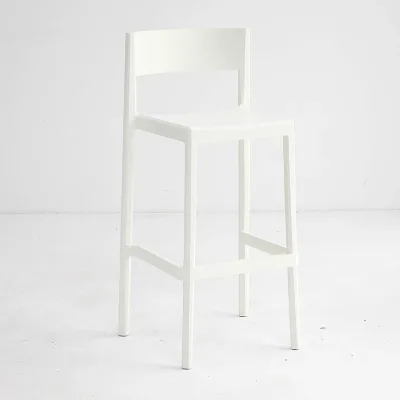


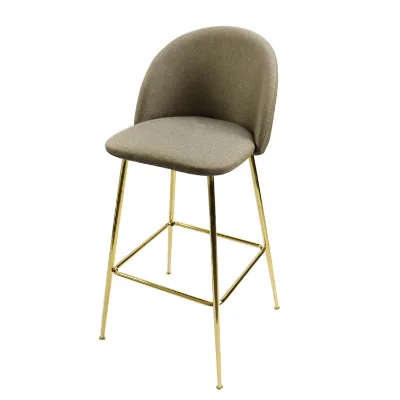

Comprehensive Sourcing Guide
Sourcing Strategy for Adjustable Traditional Bar Chairs
When procuring adjustable traditional bar chairs for commercial or residential applications, buyers must navigate a complex landscape of material science, ergonomic design, and supply chain logistics. The core keyword "adjustable traditional bar chair" implies a specific intersection of functionality and aesthetics. While the market offers a wide array of seating solutions, the specific requirement for adjustability combined with a traditional style demands rigorous vetting of product attributes. Buyers should approach this sourcing task with a clear understanding that product listings often contain mixed data points, requiring careful cross-referencing to ensure the final procurement aligns with operational needs. The following guide outlines the critical dimensions of this category, drawing on observed market data to inform decision-making without relying on unverified claims.
Technical Specifications and Material Composition
The foundation of any bar chair procurement lies in the technical specifications, particularly regarding the frame material and structural integrity. In the current market, metal and wood are the dominant materials observed for this category. Metal frames, often finished in gold and white or black, provide the necessary rigidity for adjustable mechanisms, which are essential for the "adjustable" aspect of the core keyword. These frames typically adhere to factory standards or specific international specifications, though the exact compliance must be verified per batch. Conversely, wooden frames offer a distinct traditional aesthetic, often paired with high-density foam padding to ensure comfort during extended use.
The dimensions of the chair are equally critical. Observed data indicates that standard dimensions can vary significantly, with some models measuring approximately D52xW48xH96 cm, while others reach D55.5xW53xH102 cm. For an adjustable traditional bar chair, the height range is paramount. Buyers must verify that the specific model supports the required seat height adjustment to accommodate different counter heights, a feature often linked to the "Rotary" or "Fixed" nature of the base. While some listings describe a "Fixed" rotary mechanism, true adjustability often requires a specific gas lift or mechanical lever system that may not be explicitly detailed in every product summary. Therefore, the buyer must confirm the mechanism type directly with the supplier rather than relying solely on the "Fixed" or "Rotary" labels found in general product tags.
Furthermore, the style of the chair plays a vital role in the "traditional" designation. Modern styles are prevalent, but traditional designs often feature specific armrest configurations. Some observed models are "Without Armrest," while others are "With Armrest." The presence of armrests can significantly impact the chair's footprint and comfort level. Additionally, the "Folded" status is generally "Unfolded" for standard bar chairs, but buyers should confirm if the design allows for space-saving storage if that is a requirement for their specific venue. The padding material, often high-density foam, is crucial for durability, ensuring the chair maintains its shape under the weight of frequent use in high-traffic environments.
Compliance, Certification, and Safety Standards
Navigating the compliance landscape is a non-negotiable step in sourcing bar chairs, especially for commercial applications in hotels, restaurants, and offices. The market data reveals a mix of certifications and standards that buyers must verify. Some suppliers list compliance with ISO9001, which indicates a quality management system, while others cite specific product certifications such as CE, ISO, RoHS, and CCC. These certifications are particularly relevant for metal components, ensuring that the materials used are free from harmful substances and meet safety requirements for electrical or mechanical parts if applicable.
However, it is important to note that not every product listing will carry every certification. For instance, while some models are associated with SGS testing or specific factory standards, others may only adhere to "Standard Specifications or Customized" criteria. Buyers should not assume that a product labeled with a general "factory standard" meets international safety benchmarks without explicit documentation. The "Standard Specifications" mentioned in some listings often refer to dimensional tolerances rather than safety compliance. Therefore, the procurement strategy must include a request for valid, up-to-date test reports and certification documents for the specific batch being ordered.
For products intended for export to global markets, the "Export Market: Global" attribute suggests a certain level of readiness, but it does not replace the need for local regulatory compliance. In regions with strict furniture safety laws, such as the EU or North America, the absence of specific certification data in the product description is a red flag. Buyers must verify that the "Certification" field explicitly lists the relevant standards for their target market. If a supplier claims compliance with ISO or CE, the buyer should request the certificate number and validity date. Similarly, for wooden components, verifying that the wood treatment meets environmental standards is essential, even if the specific "Material: Wood" attribute does not detail the treatment process.
Cost Drivers and Pricing Dynamics
Understanding the cost drivers for adjustable traditional bar chairs is essential for budgeting and negotiating effective contracts. The observed price range in the market spans from $0.09 to $120 USD, a vast disparity that reflects differences in material quality, manufacturing complexity, and order volume. The lower end of this spectrum typically corresponds to basic, non-adjustable, or mass-produced units with minimal finishing, while the higher end encompasses custom-finished, high-density foam padded, and fully adjustable models with robust metal or solid wood frames.
The "MOQ" (Minimum Order Quantity) is a significant factor influencing the unit price. Observed MOQs range from 2 to 2000 units. For buyers seeking custom designs or specific adjustments, the MOQ may be higher, potentially pushing the unit cost down due to economies of scale. Conversely, smaller orders of 2 to 50 units will likely incur a higher per-unit cost. The "Customization" attribute is available for many products, allowing for tailored finishes or dimensions, but this often comes with a premium. Buyers must weigh the cost of customization against the need for brand alignment or specific venue requirements.
Packaging also impacts the final landed cost. While some products are shipped in "Cartons" or "Standard Packaging," others may utilize "Nude Packing" or "Carton for Plywood Chair." The choice of packaging affects shipping volume and the risk of damage during transit. Heavy metal frames or delicate traditional wood finishes may require reinforced packaging, which adds to the overall cost. Additionally, the "Lead Time" of 15-25 days or longer can influence pricing if expedited shipping is required. Buyers should factor in the total cost of ownership, including shipping, insurance, and potential customs duties, rather than focusing solely on the factory gate price.
Typical Applications and Usage Scenarios
The versatility of adjustable traditional bar chairs makes them suitable for a wide range of applications. The observed "Usage" attributes include hotels, restaurants, cafes, offices, and living room leisure areas. In a hotel setting, these chairs are often used in lobby bars or conference areas where a blend of comfort and style is required. The "Application" field specifically mentions "Bar, Living Room Leisure," highlighting their dual utility in commercial and residential spaces.
In restaurant and cafe environments, the durability of the chair is paramount. Models with high-density foam padding and sturdy metal or wood frames are preferred to withstand constant use. The "Style: Modern" or "Simple & Modern" design often aligns well with contemporary dining trends, but the "Traditional" aspect of the core keyword suggests a need for classic silhouettes that may feature more ornate details or wood finishes. Buyers must ensure that the chosen model fits the aesthetic of the venue while meeting the functional demands of the space.
For office environments, the adjustability feature becomes a critical ergonomic consideration. While the "Product Name" is often listed as "Bar Stool" or "Dining Chair," the functional requirements for office seating may necessitate specific adjustments for height and tilt. The "Feature: Light Luxury & Exquisite" attribute suggests that some models are designed to elevate the perceived value of a space, making them ideal for high-end offices or executive lounges. Buyers should match the chair's application profile with the specific needs of the end-user, ensuring that the "Kind: Restaurant Furniture" or similar classifications align with the intended environment.
Supplier Evaluation and Verification Protocols
Evaluating suppliers for adjustable traditional bar chairs requires a systematic approach to verify claims and ensure reliability. The "Location" of the supplier, often cited as "China" or "Tianjin, China," provides a geographical context but does not guarantee quality. Buyers should conduct due diligence on the supplier's production capacity, quality control processes, and track record. The "Warranty" period, observed as 12 months or 3 years, is a key indicator of the supplier's confidence in their product. A longer warranty period often suggests higher quality materials and better manufacturing standards.
The "OEM Custom" attribute indicates that the supplier is capable of producing custom designs, which is crucial for buyers seeking unique branding or specific modifications. However, the presence of this attribute does not automatically imply that the supplier has the necessary infrastructure to handle complex custom orders. Buyers should request samples to verify the quality of the "Customization" work, checking for consistency in the "Color: Gold and White" or "Black" finishes and the integrity of the adjustable mechanisms.
Furthermore, the "Lead Time" of 15-20 days or 20-25 days should be treated as a baseline. Buyers must confirm if this timeline is consistent with the supplier's historical performance and if it accounts for potential delays in raw material sourcing or production bottlenecks. The "Export Market: Global" status suggests experience with international logistics, but buyers should still verify the supplier's ability to handle documentation and shipping requirements for their specific destination.
Quality Control and Long-Term Procurement Considerations
Implementing a robust quality control (QC) strategy is essential to mitigate risks associated with bulk procurement. Given the variation in "prod_standard" from "factory standard" to specific certifications like ISO9001, buyers should establish clear acceptance criteria before production begins. This includes verifying the dimensions, such as the D52xW48xH96 cm or D55.5xW53xH102 cm specifications, and ensuring the "Padding: High-density Foam" meets the required density and durability standards.
Long-term procurement considerations involve planning for maintenance and replacement. The "Warranty" period is a starting point, but buyers should also consider the availability of spare parts, such as gas lifts or replacement legs, which are common points of failure in adjustable chairs. The "Product Name" and "Model" consistency is crucial for future reordering; ensuring that the "prod_model" codes like HY-F078, A1631, or BC-02 are clearly documented will facilitate seamless reordering.
Additionally, buyers should monitor the "Lead Time" fluctuations, as supply chain disruptions can impact delivery schedules. Establishing a relationship with a supplier who offers flexible lead times and reliable communication can help mitigate these risks. Finally, the "Package" type should be evaluated for its ability to protect the product during transit, especially for delicate finishes or complex mechanisms. By focusing on these long-term factors, buyers can ensure a sustainable and cost-effective procurement strategy for adjustable traditional bar chairs.
Comparative Analysis of Product Attributes
To assist in the decision-making process, the following table summarizes key observed attributes across different product models, highlighting the variations in specifications and standards.
| Attribute | Model HY-F078 | Model A1631 | Model BC-02 | Model SP-BS128 |
|---|---|---|---|---|
| Product Name | Bar Stool | Dining Chair | Dining Chair | Bar Stool |
| Material | Metal | Wood | Wood | Metal |
| Color | Gold and White | Not Specified | Not Specified | Black |
| Armrest | Without Armrest | With Armrest | Not Specified | Not Specified |
| Padding | Not Specified | High-density Foam | Not Specified | Not Specified |
| Standard | Factory Standard | D52xW48xH96(cm) | Standard Specs | ISO9001 |
| Certification | Not Specified | Not Specified | Not Specified | CE, ISO, RoHS, CCC |
| Warranty | Not Specified | Not Specified | 12 Months | 3 Year |
| Lead Time | Not Specified | Not Specified | 20-25 Days | 15-20 Days |
| Origin | China | China | Tianjin, China | China |
This comparison underscores the importance of verifying specific attributes against the buyer's requirements. For instance, while Model SP-BS128 offers a 3-year warranty and comprehensive certifications, Model BC-02 provides a shorter lead time but a standard warranty. Buyers must prioritize these attributes based on their specific operational needs, balancing cost, quality, and delivery timelines. By adhering to these guidelines, buyers can navigate the complexities of sourcing adjustable traditional bar chairs with confidence and precision.
FAQs
What materials are used for adjustable traditional bar chairs?
The chairs are primarily constructed from metal or wood frames. Metal options often feature gold and white or black finishes, while wood models utilize high-density foam padding for comfort and durability in commercial settings.
Can I find bar chairs with specific certification standards?
Yes, some models carry certifications like CE, ISO, RoHS, and CCC. Buyers should verify specific batch documentation as not all listings include every standard, and factory standards may vary by supplier location.
What is the typical lead time for these furniture orders?
Lead times generally range from 15 to 25 days depending on the model. Specific listings indicate periods of 15-20 days or 20-25 days, which can affect pricing if expedited shipping is required.
Which customization options are available for these bar stools?
Customization is available for many products, including OEM custom designs. Buyers can request tailored finishes or dimensions, though this often involves a higher minimum order quantity and potential cost premium.
How do dimensions vary across different bar chair models?
Dimensions vary significantly, with observed sizes like D52xW48xH96 cm or D55.5xW53xH102 cm. Buyers must verify specific model specifications to ensure the height and width meet their venue requirements.
What warranty periods are offered for these dining chairs?
Warranty periods observed in the market range from 12 months to 3 years. A longer warranty often indicates higher quality materials and better manufacturing standards, reflecting the supplier's confidence in the product.